Canine Influenza is a highly contagious infection that can be caused from 2 different strains, H3N8 and H3N2. H3N8 is the strain that was responsible for the outbreak 10 years ago. The outbreak in Chicago last spring was caused by H3N2. It takes 2-4 days before dogs start showing symptoms and this is when they are most highly contagious, allowing them to spread the disease unknowingly.
Symptoms of Canine Influenza come in two forms, the mild form and the severe form. Most dogs develop the mild form and although Canine Influenza is highly infectious, it has a fairly low fatality rate (less than 10%).
Mild form infections have a soft moist cough that can last for up to 30 days. They can become lethargic, have a low grade fever, decreased appetite, sneezing, and discharge from the eyes. They can get secondary bacterial infections and develop thick nasal discharge. Sometimes the cough is very similar to the dry cough of “Kennel Cough.” The severe form infections are associated with high fevers (104-106 degrees) and develop pneumonia and difficulty breathing. The pneumonia may be due to a secondary bacterial infection.
Treatment for Influenza is mostly supportive and can range from just monitoring at home to hospitalization for IV therapy depending on the severity of the illness. The canine influenza virus is not transmissible to humans and there have been no reports in cats. The dogs that are most at risk are ones that are in close proximity to other dogs such as boarding facilities.
There have only been 2 reported cases in Idaho recently. If your dog is coughing it is most likely not Canine Influenza, but your pet should be seen to be evaluated for other respiratory diseases.
At this time we are not recommending vaccinating for Canine Influenza for the general population; however if you have a high risk pet (traveling or being exposed to a large amount of dogs such as at a dog show that have been traveling) please let us know and we can discuss whether or not vaccination should be considered.
We will continue to monitor the situation and keep you updated on changes.
Wednesday, January 27, 2016
Thursday, January 21, 2016
What to expect if your pet needs dental care by Evann Thoms
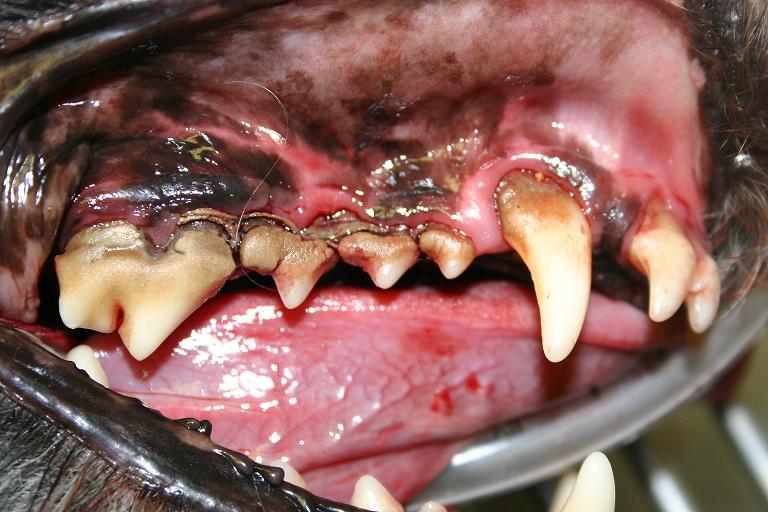
Periodontal disease. The tooth, the whole tooth and nothing but the tooth. The word "perio" means around and the word "dontal" means tooth. Out of all the members of a household family, it can't be hard to guess who has the worst dental hygiene: the pets! They don't brush or floss their teeth as religiously as their people do, and this goes on for years! GROSS!
A full 85% of
pets have periodontal disease by the age of 3 years old.
Surprisingly enough, there is little
physical difference between the dog or cat's tooth and the human tooth. If we do not regularly disinfect our mouths
and brush away plaque, plaque can quickly mineralize into tartar or
calculus. Bacteria then starts to build
up under the tartar, and thus the big nasty disease process starts! Bacteria that lives under tartar in the mouth
can seed into other areas of the body, affecting organ function and can be carried
virtually anywhere the bloodstream goes.
It's
a good idea to start being comfortable opening your pets mouth and taking a
peek inside. Lift the lips and
physically look at the teeth. If your
pet allows, briefly take a glance at the inside surface of the teeth and back
of the mouth. Take a good whiff too! It shouldn't be too surprising that just like humans, pets need to visit the "dentist" too for a regular cleaning and exam. Home care of the tooth is never perfect and veterinarians will tell you, you cannot brush the tartar off the teeth. But the professional cleaning your pet gets at the veterinarians office is very similar to the one you get at your dentist office.
So what does a veterinarians dental cleaning entail? Well, to start, your pet MUST be placed under anesthesia. It is NOT possible to perform the proper 6 step cleaning of your pets mouth without general anesthesia. The first step entails removing the visible tartar with a specific set of instruments. Step two, more delicate tartar deposits are removed with another set of scalers that are safe for the gum line. Step 3, another set of scalers are used to removed tartar that is building up underneath the gum line. Step 4, the enamel that was etched from scaling is then polished to remove any unevenness. Step 5, the mouth is then disinfected, rinsed and usually sealed with a type of fluoride sealer or plaque repellent. The sixth and final step is charting! Technicians and doctors notes all abnormalities of each of the dogs 42 teeth or the cats 30 teeth.
So
what about a non-anesthetic cleaning?
Most groomers are now offering "anesthesia free" dental
cleaning, but it is IMPOSSIBLE and important to note that the 6 step cleaning
process is not safe or possible to do without anesthesia. It is important to protect a pets airway from
the tartar and bacteria we are chipping away from their teeth, along with being
able to see all surfaces of the teeth including the inside, to probe and look
for disease. Groomers and daycare facilities
more commonly offer to brush a pets teeth for you, which if tolerated, is
fantastic! Can you imagine our children's
day care facilities offered to help brush our kids teeth twice a day while they
were there?! On a more serious note,
typical brushing and cosmetic cleaning of
a pets teeth do not address the more serious periodontal disease where
is occurs: UNDER THE GUM LINE.
Wednesday, December 16, 2015
Holiday Dangers for Pets
Christmas
is almost here and with it comes some unique dangers to your pets.
One of the most notable is tree ornaments and tinsel.
Cats primarily are
known for eating tinsel, which can get caught in the intestine, causing
the intestines to bunch up like an accordion. This requires extensive surgery to
remove. Gift wrapping ribbon can also cause similar symptoms.
Ornaments seem to equally popular between cats and dogs. Keeping
any glass or breakable ornaments higher on the tree is best to avoid them from being ingested, or causing cuts in the mouth. Some of the soft ornaments
are just the right size to be eaten and get stuck in the intestinal
tract. If you have a pet known to eat things they shouldn't, it is
probably best to keep the accessible part of the tree bare.
Christmas lights also pose a threat to dogs and cats alike. Chewing on cords can cause electrical shock which can cause injuries ranging from electrical burns in the mouth to death. Always use a grounded 3 pronged plug and try to keep cords out of reach.
As
we are receiving and baking special treats this time of year, it is important to
remember that there are several things that our pets should not be
eating. Chocolate is probably the most common toxin people know about. It does not
take very much baking chocolate to cause a toxicity. If your pet ingests
chocolate they should be examined by a veterinarian. Fat trimmings and
other rich foods can also cause severe gastrointestinal upset such as vomiting,
diarrhea and pancreatitis. Any baked treats that contain Xylitol can be
life threatening for your pet as well. Macadamia nuts are also toxic and
can cause severe tremors.
Although this is a sharing time of year, the best idea is to not share our Holiday foods
with our pets!
By Dr. Jennifer Pearson, Idaho Veterinary Hospital
Tuesday, November 17, 2015
Thanksgiving Dangers to Avoid
Thanksgiving is a time for gathering with family and friends
and enjoying large home cooked meals. It is important to remember that
not everything that we eat is good for our pets to eat and that this can be a
stressful time for them as well. Here are a list of some things you
should keep in mind for your pet this Thanksgiving:
1. Fatty Foods: These can cause at best a gastroenteritis and at its worse pancreatitis which can be life threatening. It is best to avoid feeding your pet any table scraps. If you do want to give your pet a treat only give a small amount and stick to turkey breast or veggies.
2. Bones: Do not give your pet bones to chew on or eat. These can cause trauma to the GI tract or an obstruction
3. Onions and garlic: Onions, garlic and onion powder, widely found in stuffing and used as a general seasoning, will destroy your dog or cat's red blood cells, which can lead to anemia.
1. Fatty Foods: These can cause at best a gastroenteritis and at its worse pancreatitis which can be life threatening. It is best to avoid feeding your pet any table scraps. If you do want to give your pet a treat only give a small amount and stick to turkey breast or veggies.
2. Bones: Do not give your pet bones to chew on or eat. These can cause trauma to the GI tract or an obstruction
3. Onions and garlic: Onions, garlic and onion powder, widely found in stuffing and used as a general seasoning, will destroy your dog or cat's red blood cells, which can lead to anemia.
4. Grapes and
Raisins: Grapes and raisins contain a toxin that can
cause kidney damage to both dogs and cats.
5. Chocolate: Chocolate can actually be fatal to your dog or cat; so all those sweets must be kept well out of reach.
6. Bread Dough: Unrisen bread dough can be dangerous if eaten. Not only will the dough expand in the stomach causing bloating, but the fermentation can severe electrolyte changes.
7. Anxiety: Although having our friends and family visiting is fun for us, it can be very stressful for your pet. If they have nervous tendencies already it is important to give them a quiet area that they can relax. There are also anxiety medications that can be prescribed if necessary as well.
8. Garbage: With a lot of cooking and eating also comes a lot of garbage. Please make sure that it is disposed of properly and securely to avoid your pet getting into it. Garbage can cause many issues including vomiting and diarrhea to the worst case scenario, death. If you have any questions or concerns please contact our office at 208-466-4614. Our Doctors and Staff wish you a safe and Happy Holiday.
5. Chocolate: Chocolate can actually be fatal to your dog or cat; so all those sweets must be kept well out of reach.
6. Bread Dough: Unrisen bread dough can be dangerous if eaten. Not only will the dough expand in the stomach causing bloating, but the fermentation can severe electrolyte changes.
7. Anxiety: Although having our friends and family visiting is fun for us, it can be very stressful for your pet. If they have nervous tendencies already it is important to give them a quiet area that they can relax. There are also anxiety medications that can be prescribed if necessary as well.
8. Garbage: With a lot of cooking and eating also comes a lot of garbage. Please make sure that it is disposed of properly and securely to avoid your pet getting into it. Garbage can cause many issues including vomiting and diarrhea to the worst case scenario, death. If you have any questions or concerns please contact our office at 208-466-4614. Our Doctors and Staff wish you a safe and Happy Holiday.
Tuesday, October 27, 2015
Winter Safety Concerns For Your Pets
Summer
is over and winter is coming. With the drop in temperature also comes
winter safety concerns for your pets. The cold temperatures will
make outdoor cats seek places to get warm and one of their
favorite places is under the hood of cars or in the wheel well. When the
vehicle is turned on the fan belt can cause significant harm or death. It
is a good idea to bang on the hood prior to starting your car to try to
scare any unsuspecting animals out.
If your pet (dog or cat) spends a large amount of time outside, especially at
night it is important to provide a warm, dry shelter. This can be a
dog crate or even just a box with blankets in it. The Treasure
Valley can see some very cold temperatures and it is recommended to
bring your pets inside if at all possible if the temperature is dropping below
20 degrees. Snow can be disorienting to both cats and dogs and there is a greater risk of
them becoming lost. It is important to keep your pets close and not let
them run too far off. This can especially be a concern when taking
your pet to an unfamiliar area, like on a snow shoe trip. Also making sure
your pets are microchipped or wearing ID tags can help them be returned
home if found.
Anti freeze use is more prevalent in the colder temperatures and it is important to take extra care to make sure your pet does not have access to it. Any spills need to be cleaned up immediately and the bottle or any fluid should be disposed or stored in an area that is not accessible to any animals. If you think your pet may have ingested antifreeze you should have them seen by a veterinarian right away. Ice melt products can also be toxic to animals if ingested. Make sure to wipe your pet's feet and abdomen thoroughly after walks to make sure any chemicals are removed that may have been placed on the ground. If you use ice melt products at home it should be in an area that the pets are not walking through. Thursday, October 1, 2015
Common Pet Toxins
There are many different foods and plants that are toxic to animals that everyone should be aware of. Some of the most common include: Chocolate, grapes/raisins, lilies (cats),
xylitol, OTC pain medications like Tylenol and Aleve, onions/garlic.
Chocolate ingestion is probably the most common toxin
ingestion we see. Chocolate can cause
vomiting, diarrhea, hyperactivity, tachycardia (fast heart rate), and at higher
doses can cause heart arrhythmias and seizures.
If you have discovered your pet
has ingested chocolate you should call your veterinarian to find out if it is a
toxic dose. The toxicity level rises
with the amount of cocoa present so it does not take very much baker’s
chocolate to cause serious issues.
Grapes and raisins can cause kidney failure. There is not a lot known about this toxicity
as some pets do not have to ingest very many before they develop symptoms and
others can ingest large amounts with no issues.
In general it does not take as many raisins to cause a toxicity. The protocol for treatment includes inducing
vomiting, activated charcoal and IV fluids for 48 hours.
Lilies also cause kidney failure in cats. Most types of lilies are toxic
including: Tiger, Easter, Day, and
Stargazer. All parts of the plant are toxic, including the water in the vase of
the lily. If you own cats it is best to
not have any lilies in the house. If your
cat may have ingested or chewed on any part of a lily it should be seen by a
veterinarian right away. Bloodwork
monitoring will need to be done and your kitty will need to be hospitalized on
IV fluids. If this toxicity is not
treated right away it is often deadly.
The most common symptoms are drinking a lot, urinating a lot, and
vomiting.

Xylitol is an interesting toxicity that can cause
hypoglycemia and at higher doses can cause liver failure. Xylitol is most commonly found in sugarless
chewing gum, but has become more common in baked goods lately. Every type of gum has a different amount of
xylitol present so the best plan is to call Animal Poison Control and they can
determine what level of xylitol they have ingested. Hypoglycemia can last 18-24 hours and will
need to be monitored in the hospital and treated as necessary. If they have ingested enough to cause liver
damage they will need to be hospitalized for 2-3 days for IV fluids and other
medications to help with liver function.

Over the counter medications like Tylenol, Aleve, and
Ibuprofen are not tolerated well in animals and can cause life threatening
toxicities like kidney failure, GI ulceration and perforation, and liver
failure. You should not give your pets
human medications unless directed to do so by a veterinarian and if your pet
ingests a medication it is best to call animal poison control or your
veterinarian at Idaho Veterinary Hospital (208) 466-4614
Wednesday, August 19, 2015
September is Dental Month
This year during the month of September we are offering a $50.00 credit to your account for simply having your pets teeth cleaned. You, the pet owner are an integral part of our dental team. Dental disease is a much bigger issue than unclean teeth. 
Top 5 Reasons to have your pets teeth cleaned
1. Bad Breath. 2. I have pain in my mouth and gums.
3. I want to play tug a war without my teeth falling out.
4. Those brown teeth are not attractive.
5. I want to be disease free and live with you as long as possible.
Please call our office to schedule your appointment @ (208) 466-4614
Thursday, July 30, 2015
Protect Your Pets Against Cheatgrass
Cheat grass is a ubiquitous problem in the treasure
valley. They are also known as fox tails
and grass awns. Cheat grass is a nuisance in our yards and gardens, but can
become huge problems in our pets. These
nasty little things can get stuck in ears, eyes, feet, nostrils, tonsils and
even travel into the lungs. If you see
cheat grass present on the fur of your pet you should remove it right away to avoid
it traveling to other places.
When cheat grass gets stuck in between the toes it will poke
through the skin and travel up the leg and forms abscesses between the
toes. Sedation is often needed to
explore these abscesses to find the cheat grass. Sometimes it hides really well and can take
multiple attempts to find it.If your pet is outside and suddenly starts shaking it head or pawing at one of its ears it very likely could have a cheat grass. Also if it starts sneezing suddenly and continuously it may have a cheat grass in its nostril. Usually the cheat grass is deep in the ear canal or nostril and cannot be seen at home. A trip to the veterinarian will be needed and again sedation may be needed to remove it.
If a piece of cheat grass gets in the eye of your pet it can
hide under the third eyelid. Usually
your pet will not open the eye and the eye is swollen with a yellowish
discharge. This is very painful and
should be examined to remove it and assess the cornea for scratches. When pets chew on grass they are at risk for having cheat
grass get stuck in their tonsils. They will usually hypersalivate and swallow a
lot. They may also have a gagging type
cough. Sometimes they will cough out the
cheat grass, but most of the time they have to be sedated to remove it.

Cheat grass has an amazing ability to travel through the
body and can be found anywhere including around the rectum, vulva, or
penis. It can also travel into the lungs
and cause severe and life threatening infections require thoracic surgery. At any time you think your pet is having
difficulty breathing it should be examined right away.
Avoiding cheat grass is nearly impossible as it can be blown
around, but if you see a large amount of cheat grass present in an area it is
best to avoid it and not let your pets play there. Cheat grass is the largest problem in the
summer when it has dried and turned brown, but don’t be fooled the green pieces
can still cause an issue.
Tuesday, June 2, 2015
Heat Stroke
Heat stroke is a very serious concern this summer. With the temperatures rising so quickly most
dogs have not had a chance to acclimate. Heat stroke can be fatal and require intensive
treatment. Signs include heavy open
mouth panting, muddy or very red colored gums, weakness, and collapse. Once a dog has an episode of heat stroke,
even mild, they will become more likely to have further episodes.

The best way to treat heat stroke is by avoiding it altogether. Try not to exercise your pet during the heat of the day. Early morning or late evening when the sun is down is the best time. Even if it does not seem overly hot heat stroke can still occur, especially in dogs that have not been exercising much during the winter. During exercise in the warmer weather your pet should have access to water and plenty of shade.
If you are concerned that your pet may have over heated it
is important to have them seen by a veterinarian right away. DO NOT PUT ICE ON YOUR DOG. Spraying them down with tepid water is best
and then letting the evaporation cool them.
When dogs become overheated they are unable to regulate their body
temperature and can become too cold too quickly. When their rectal temperature reaches 103
then active cooling should be stopped.

It is important to remember that dogs, just like people, will heat up after they stop running. They should not be put directly into a kennel or confined after exercise. They should be walked around for several minutes to cool down.
Every year, hundreds of pets die from heat exhaustion because they are left in
parked vehicles. Your vehicle can quickly reach a temperature that puts your pet at risk of
serious illness and even death, even on a day that doesn't seem hot to you. And
cracking the windows makes no difference.
Please pay close attention to the outdoor temperature, your
pets physical conditioning, and choose exercise appropriately. Labrador retrievers are very susceptible to
heat stroke and playing fetch in the backyard can be enough to cause heat
stroke. Heat stroke can be prevented by
using appropriate caution.
Tuesday, April 21, 2015
CANINE INFLUENZA
Canine Influenza is a highly contagious infection that can
be caused from 2 different strains, H3N8 and H3N2. H3N8 is the strain that was responsible for
the outbreak 10 years ago. The most
recent outbreak in Chicago has been caused by H3N2. There currently is a vaccine for the H3N8
strain, but no vaccine is available for the H3N2. It takes 2-4 days before dogs start showing
symptoms and this is when they are most highly contagious.

Symptoms of Canine Influenza come in two forms, the mild
form and the severe form. Most dogs
develop the mild form and although Canine Influenza is highly infectious it has
a fairly low fatality rate (less than 10%).
Symptoms
·
Mild form infections have a soft moist cough
that can last for up to 30 days.
·
They can become lethargic, have a low grade
fever, decreased appetite, sneezing, and discharge from the eyes.
·
They can get secondary bacterial infections and
develop thick nasal discharge.
·
Sometimes the cough is very similar to the dry
cough of “Kennel Cough.”
The severe form infections are associated with high fevers
(104-106 degrees) and develop pneumonia and difficulty breathing. The pneumonia may be due to a secondary
bacterial infection.
Treatment
Influenza is mostly supportive and can range from just monitoring at home to
hospitalization for IV therapy depending on the severity of the illness. The canine influenza virus is not
transmissible to humans and there have been no reports in cats. The dogs that are most at risk are ones that
are in close proximity to other dogs such as boarding facilities.
There have been no
reported cases in Idaho and the outbreak right now is localized to the
Midwest. If your dog is coughing it is
most likely not Canine Influenza, but your pet should be seen to be evaluated
for other respiratory diseases.
Please call our office for more information. (208) 466-4614
1420 N. Midland Blvd, Nampa, Idaho 83651
Subscribe to:
Posts (Atom)